
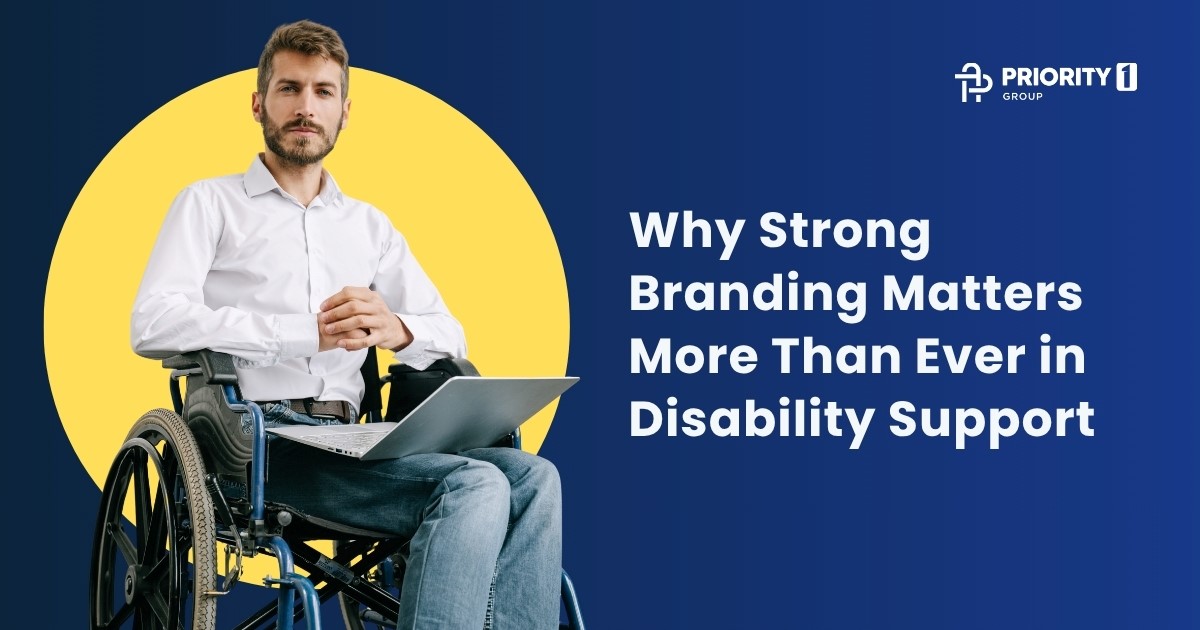
The NDIS sector has grown rapidly over the past few years. With more providers entering the market and participants having greater choice, standing out has become more challenging than ever. Delivering quality support is still the foundation of success, but quality alone is not always enough if people do not know who you are, what you offer, or why they should trust your organisation.
This is where strategic marketing becomes important. Marketing in the disability sector is not about aggressive promotion or unrealistic promises. It is about building trust, communicating clearly, and helping participants and families understand how your services may support their goals. A strong presence online can help providers reach the right audience, create credibility, and grow sustainably in an increasingly competitive environment.
For many providers, the biggest challenge is not delivering care. It is building visibility. Great services can remain unnoticed if there is no clear communication strategy behind them. That is why more providers are beginning to invest in better branding, websites, search visibility, and community-focused communication.
Why visibility matters in the NDIS sector
Most participants and families now begin their search for support online. Before making contact, they often visit websites, read reviews, compare providers, and assess whether the organisation feels trustworthy and professional. This means a provider’s digital presence often creates the first impression long before a conversation happens.
A weak online presence can create doubt, even when the provider delivers excellent support. Outdated websites, unclear messaging, inconsistent branding, or inactive social media profiles can make a business appear less reliable than it actually is.
This is one reason many organisations are paying more attention to ndis marketing as they try to improve awareness, strengthen credibility, and attract the right participants in their local areas.
What effective marketing should actually achieve
Good marketing should not feel disconnected from care. It should reflect the provider’s values, approach, and strengths in a clear and honest way. The goal is not simply to “get leads.” It is to help the right people find the right support.
Pointwise, effective marketing can help providers:
- improve visibility in local search results
- build trust before the first enquiry
- communicate services more clearly
- educate families and participants about available supports
- strengthen brand recognition in the community
- create more consistent enquiry opportunities
- support long-term business growth
When done correctly, marketing becomes an extension of the provider’s communication and participant engagement strategy.
Common challenges NDIS providers face
Many NDIS providers are highly capable operationally but struggle with visibility and communication. They may have strong teams, quality systems, and excellent participant outcomes, yet still find it difficult to attract consistent enquiries.
Some common challenges include:
- websites that do not clearly explain services
- poor visibility on Google and search engines
- inconsistent branding and messaging
- low engagement on social media platforms
- difficulty standing out in competitive regions
- unclear communication about participant outcomes and support styles
These issues can slow growth even when the provider delivers strong services internally.
Why trust-based communication matters
The disability sector is built on trust. Families are not only choosing a provider. They are choosing who will support someone important in their life. Because of this, marketing should feel respectful, transparent, and human.
Providers who focus only on advertising without building credibility often struggle to create meaningful engagement. On the other hand, providers who communicate clearly, educate their audience, and show consistency tend to build stronger long-term trust.
This is why many providers start looking for an ndis marketing agency that understands the sensitivity of the sector rather than applying generic marketing tactics that may not suit disability services.
A provider’s communication should reflect:
- empathy and professionalism
- clarity about services and support approaches
- consistency across digital platforms
- participant-focused language and messaging
- a genuine understanding of the NDIS environment
These elements help participants and families feel more confident before they even make contact.
The growing importance of digital visibility
Digital visibility has become one of the biggest drivers of enquiries in the NDIS sector. Participants and support coordinators often search online before making referrals or decisions. If a provider cannot be found easily online, they may miss opportunities even if their services are strong.
Pointwise, digital visibility often includes:
- a clear and modern website
- local SEO and Google search optimisation
- informative service pages and blogs
- active and professional social media presence
- Google Business Profile optimisation
- educational content that builds trust and awareness
These elements work together to create stronger online credibility.
This is where many organisations begin investing more seriously in ndis digital marketing because they realise visibility is no longer optional in a competitive support environment. Providers need to be discoverable, understandable, and trustworthy online.
What Priority1 Group says it offers
Priority1 Group presents itself as an Australian outsourcing and business support company offering services across bookkeeping, HR, operations, and marketing. On its website, the company states that it supports businesses with digital marketing services including SEO, social media marketing, paid advertising, website development, and branding solutions.
The company also positions itself as experienced in supporting industries such as NDIS, healthcare, hospitality, and real estate. Its marketing pages highlight services such as Google Ads, local SEO, content marketing, social media management, and website optimisation aimed at improving online visibility and business growth.
Priority1 Group’s website further explains that its approach focuses on customised strategies designed around business goals rather than generic campaigns. The business also references experience working with NDIS providers and healthcare-related organisations through both its marketing and operational service offerings.
For providers reviewing marketing support options, this positioning suggests that Priority1 Group aims to combine sector familiarity with broader digital marketing capabilities rather than treating disability support marketing as a standard industry campaign.
What providers should look for in marketing support
Choosing the right marketing support is important because not every agency understands the realities of the NDIS sector. Providers should look for teams that understand both compliance-sensitive communication and the emotional factors that influence participant decisions.
A good marketing partner should offer:
- clear communication and realistic expectations
- understanding of participant-focused messaging
- strong local SEO and website knowledge
- content strategies that educate rather than oversell
- branding that reflects professionalism and trust
- reporting and transparency around campaign performance
Marketing should not feel disconnected from operations. It should support the provider’s actual strengths and long-term goals.
Why consistency creates stronger growth
One of the biggest mistakes providers make is treating marketing as a short-term activity. Real growth usually comes from consistency. Providers that publish educational content regularly, maintain active websites, improve search visibility, and communicate clearly over time tend to build stronger brand recognition.
Pointwise, consistency can help providers:
- stay visible in competitive regions
- build stronger long-term trust
- improve referral opportunities
- create more stable enquiry pipelines
- strengthen brand authority over time
- reduce dependence on one single marketing channel
This approach is especially valuable in the NDIS sector, where relationships and reputation often influence decisions more than aggressive advertising.
Building a stronger presence without losing authenticity
Marketing should never replace genuine care. It should help communicate it more effectively. The strongest providers are usually the ones that combine operational quality with clear and professional communication. They stay authentic while still improving visibility and growth.
A provider does not need to become overly corporate or sales-driven to market successfully. Families and participants often respond best to communication that feels honest, informative, and participant-focused.
Conclusion
The NDIS sector continues to grow, and with that growth comes increased competition and higher expectations around communication and visibility. Providers who invest in stronger branding, clearer messaging, and a professional online presence place themselves in a better position to build trust and grow sustainably.
Priority1 Group presents itself as an Australian business support company offering digital marketing services including SEO, websites, social media management, and paid advertising, with experience supporting industries such as NDIS and healthcare.
