
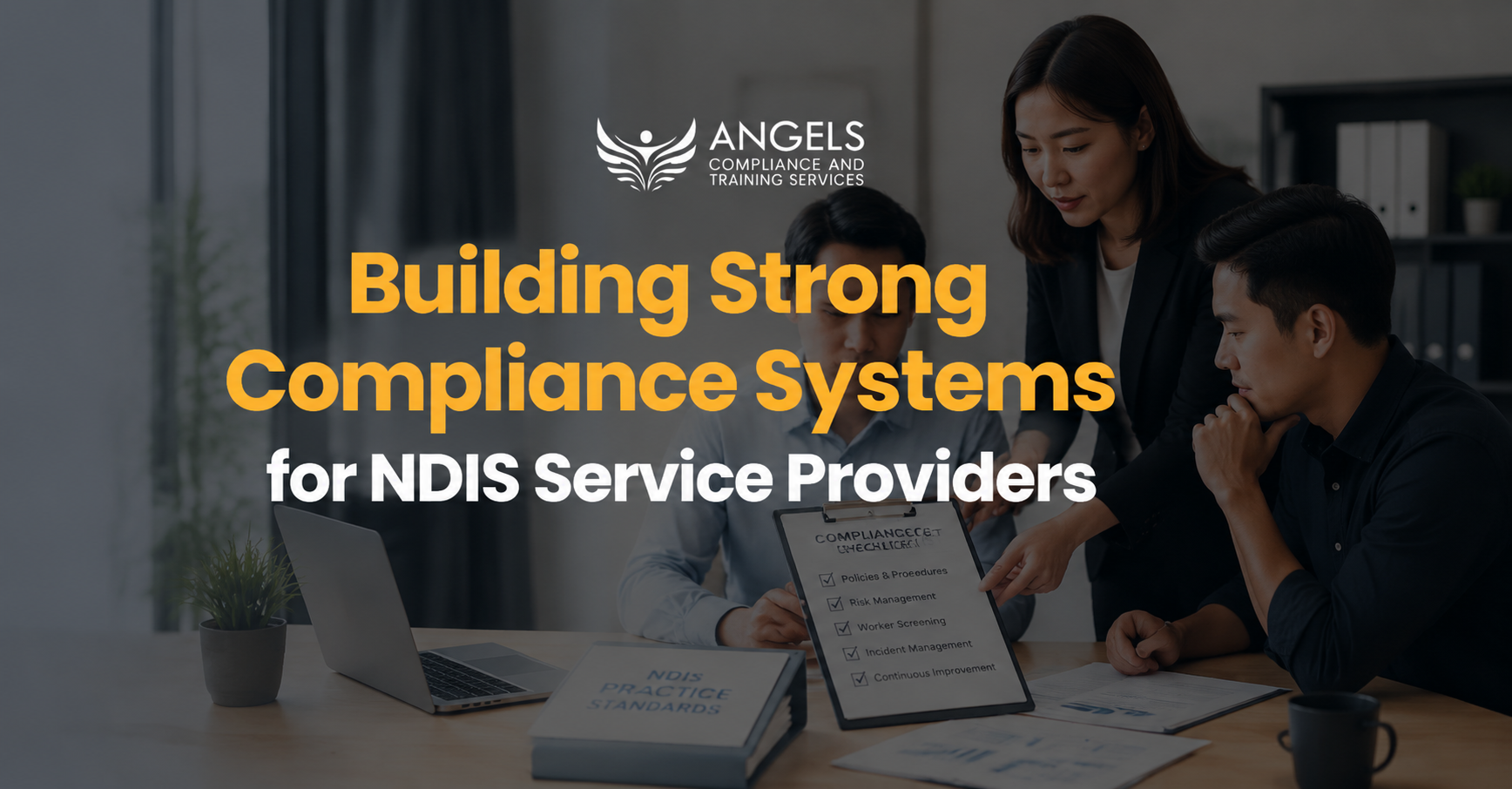
Operating an NDIS organisation requires more than delivering quality support services to participants. Providers must establish strong governance systems, maintain accurate documentation, and ensure daily operations align with the requirements set by the NDIS Quality and Safeguards Commission. Well-developed policies and procedures play a vital role in helping organisations create consistent practices, manage risks, and maintain participant safety.
For both new and established providers, having clear operational guidelines helps employees understand their responsibilities and follow consistent processes. From incident management and participant rights to workforce practices and quality improvement, every area of service delivery requires structured documentation. Without effective systems in place, providers may face challenges during audits, experience operational inconsistencies, or struggle to demonstrate compliance.
A proactive approach to developing and maintaining compliance documents allows organisations to focus on delivering safe, person-centred supports while reducing administrative risks. Strong documentation also creates confidence among participants, families, employees, and regulatory bodies that the organisation is committed to quality care.
Why Strong Documentation Matters for NDIS Providers
NDIS providers operate within a highly regulated environment where accountability and transparency are essential. Policies provide a clear framework for how an organisation manages its responsibilities, while procedures explain how those policies are implemented in everyday operations. Together, they create a structured approach that supports quality service delivery.
Effective documentation helps organisations establish expectations for employees, improve decision-making, and maintain consistency across different service areas. Whether it involves managing incidents, protecting participant rights, handling complaints, or maintaining workforce standards, clear processes ensure everyone understands the correct steps to follow.
Having well-maintained documentation is also important when preparing for audits. Auditors assess whether providers have appropriate systems in place and whether these systems are actively implemented within the organisation. Regular reviews and updates ensure documents remain relevant and reflect current regulatory requirements.
Essential Areas Covered in NDIS Documentation
A comprehensive compliance framework should address several important areas, including:
- Participant Rights and Safeguarding
- Documents should outline how participant dignity, privacy, choice, and control are protected while ensuring safe service delivery.
- Incident Management Processes
Clear procedures should explain how incidents are identified, reported, investigated, and managed to prevent future risks.
- Complaints Management
Providers should have transparent processes that allow participants and families to raise concerns and receive appropriate responses.
- Workforce Management
Documentation should define staff responsibilities, training requirements, supervision processes, and performance expectations.
- Risk Management Systems
Organisations need processes to identify potential risks and implement strategies to minimise harm.
- Quality Improvement Practices
Providers should regularly review their operations and identify opportunities to improve service outcomes.
Maintaining these areas ensures organisations have a strong foundation for delivering reliable and compliant services.
The Role of Professional Support in Developing Compliance Systems
Angels Compliance and Training supports NDIS providers by helping them develop, review, and improve their compliance frameworks. Their experienced team understands the challenges organisations face when creating documentation that meets regulatory expectations while remaining practical for everyday use.
For providers seeking reliable ndis policy and procedures, professional guidance can help ensure documents are structured correctly, aligned with NDIS Practice Standards, and suitable for audit preparation. Rather than using generic documents that may not reflect an organisation’s operations, tailored solutions ensure policies and procedures match the provider’s actual service model.
Angels Compliance and Training assists organisations through policy development, compliance assessments, staff training, and audit preparation. Their approach focuses on creating systems that are not only compliant but also easy for teams to understand and implement.
Strong compliance systems require ongoing attention, as regulations, industry expectations, and organisational needs can change over time. Professional support helps providers stay prepared by reviewing existing frameworks and identifying areas requiring improvement.
By working with compliance specialists, organisations can reduce administrative pressure, improve operational confidence, and focus more effectively on delivering high-quality participant supports.
Benefits of Maintaining Updated NDIS Documentation
Keeping documentation current provides several advantages for service providers:
- Improved Audit Readiness
Updated documents help organisations demonstrate compliance and provide evidence during assessments.
- Greater Staff Understanding
Clear procedures help employees understand their responsibilities and follow consistent practices.
- Enhanced Participant Safety
Structured processes support better risk management and protect participant wellbeing.
- Reduced Operational Risks
Defined procedures minimise confusion and improve responses to workplace situations.
- Stronger Organisational Reputation
Effective governance systems build trust among participants, families, and stakeholders.
- Continuous Improvement
Regular reviews allow organisations to identify weaknesses and strengthen service delivery.
A strong documentation framework supports long-term sustainability and helps providers maintain high standards across their operations.
Understanding the Importance of Tailored Compliance Documents
Every NDIS organisation operates differently depending on its services, workforce structure, participant needs, and operational model. Because of this, documentation should be designed around the specific requirements of each provider rather than relying entirely on generic resources.
While templates can provide a useful starting point, organisations need to ensure documents accurately reflect their processes. Customisation is essential because auditors assess whether policies are actively implemented and whether they support the provider’s actual operations.
Using appropriate NDIS policy templates can help organisations save time when developing their compliance systems. However, providers should carefully review and adapt these resources to ensure they align with their service delivery approach, staff responsibilities, and participant support requirements.
A well-designed documentation system should be easy for employees to understand and practical to use. When staff can clearly follow procedures, organisations are better positioned to maintain consistency and deliver safe, reliable supports.
Common Challenges Providers Face With Compliance Documentation
Many providers experience difficulties when creating and maintaining compliance documents. One common challenge is keeping policies updated as regulatory requirements change. Without regular reviews, organisations may unknowingly operate using outdated processes.
Another challenge is ensuring employees understand and follow documented procedures. Having policies available is not enough; providers must ensure staff receive appropriate training and understand how these documents apply in real workplace situations.
Some organisations also struggle with managing large amounts of documentation. Without proper organisation, important records may become difficult to locate during audits or internal reviews. Implementing structured document management systems can help providers maintain better control over their compliance requirements.
Professional guidance can assist organisations in overcoming these challenges by providing practical solutions, improving documentation quality, and strengthening internal processes.
Maintaining Effective Policies and Procedures Over Time
Compliance documentation should not be treated as a one-time project. Successful providers regularly review their systems to ensure they remain effective and relevant. Changes in legislation, service delivery models, workforce structures, or participant needs may require updates to existing documents.
Regular reviews allow organisations to identify gaps and make improvements before issues arise. Staff feedback can also provide valuable insights into whether procedures are practical and whether additional training is required.
Providers that prioritise continuous improvement create stronger organisations that are better prepared for audits and future growth. Effective policies and procedures ndis frameworks support accountability, transparency, and consistent service delivery across all areas of operation.
Conclusion
Strong compliance documentation is essential for NDIS providers seeking to deliver safe, consistent, and high-quality services. Well-developed policies and procedures help organisations manage risks, protect participants, support employees, and demonstrate their commitment to meeting regulatory expectations.
Working with experienced compliance professionals such as Angels Compliance and Training can help providers strengthen their systems, improve audit readiness, and maintain confidence in their operations. By investing in effective documentation and ongoing improvement, organisations can build sustainable services that support positive outcomes for participants and the wider community.